
Colonoscopy in Katy, TX
Colon cancer screening and diagnostic colonoscopy, performed by our own gastroenterologists in the same building as our clinic.
Understanding Colonoscopy
A colonoscopy is an exam of the inside of the colon (large intestine) and rectum. While you are sedated, your gastroenterologist gently passes a thin, flexible tube with a camera through the colon. The camera shows the lining in detail, so the doctor can look for polyps, inflammation, bleeding and cancer.
A colonoscopy is the only colon cancer screening test that checks the whole colon and can remove polyps during the same exam. Most colon cancers start as polyps, so removing them early can prevent cancer from developing.
Why you might need a colonoscopy
- Colon cancer screening. Adults at average risk should start screening at age 45. Colorectal cancer is now the leading cause of cancer death in Americans under 50, according to American Cancer Society researchers, which is one reason screening starts earlier than it used to.
- Follow-up after a positive stool test, such as a positive FIT or Cologuard result
- Surveillance if you have had polyps or colon cancer before, or have inflammatory bowel disease
- Symptoms, such as rectal bleeding, a change in bowel habits, chronic diarrhea, unexplained anemia or weight loss
- Diagnosis and monitoring of conditions such as Crohn’s disease and ulcerative colitis
When to start screening
- Average risk: start at age 45. If your colonoscopy is normal, the next one is usually in 10 years.
- Higher risk: if a parent, brother, sister or child had colon cancer or advanced polyps, screening usually starts at age 40, or 10 years before the youngest age a relative was diagnosed, whichever comes first. A colonoscopy is then usually repeated every 5 years. People with an inherited condition such as Lynch syndrome, or with inflammatory bowel disease, need their own schedule.
- Age 76 to 85: screening is a personal decision based on your health, life expectancy and past screening results. Most people over 85 should not be screened.
If you are 45 to 75, at average risk and have no digestive symptoms, you may be able to book through our open access colonoscopy screening program without an office visit first.
Our approach to Colonoscopy
A good colonoscopy depends on a clean colon, a careful exam and clear follow-up. Our gastroenterologists perform every colonoscopy themselves at Zazen Surgery Center, in the same building as our clinic, so the doctor you see is the doctor who does your procedure.
Before your colonoscopy
- Bowel preparation. You will eat a low-fiber diet the day before, as your instructions describe, then switch to clear liquids. You will drink a prescribed bowel prep, usually split between the evening before and the morning of your procedure. A clean colon lets the doctor see small polyps. Detailed instructions are on our prep forms page.
- Medicines. Tell us if you take blood thinners, diabetes medicines, weight-loss injections such as semaglutide or tirzepatide, or iron pills. We will tell you whether to pause or adjust any of them, and for how long. Do not stop a blood thinner without talking to us and your prescribing doctor.
- A driver. Because you will be sedated, you need an adult to drive you home. You cannot drive or take a rideshare alone.
During the procedure
You will receive sedation through an IV, so most people sleep through the exam and remember little or nothing. The doctor examines the full length of the colon and removes any polyps found. Small tissue samples (biopsies) may be taken. You will not feel polyps being removed or biopsies being taken.
After the procedure
You will rest in recovery until the sedation wears off. It is normal to feel bloated or pass gas for a few hours. Your doctor will talk with you about what was found before you leave, and any biopsy or polyp results usually follow within one to two weeks, along with when you need your next colonoscopy.
Do not drive, work or make important decisions for the rest of the day. Most people go back to normal activities the next day.
Is colonoscopy safe?
Colonoscopy is very safe. Serious problems are rare. They include bleeding, usually after a polyp is removed, a tear in the bowel wall (perforation), and reactions to sedation. Call us right away or go to the emergency room if you have severe belly pain, fever, a hard or swollen belly, or more than a small amount of rectal bleeding, even if it starts days or up to two weeks after your colonoscopy.
Saturday procedures and an all-female team
Can’t take a weekday off? We perform procedures on Saturdays from 7:00 AM to 2:00 PM, by appointment only, at Zazen Surgery Center in the same building as our clinic. If you would feel more comfortable with an all-female procedure team, that option is available on request. Just let our team know when you schedule.
Colonoscopy is one of the few tests that can actually prevent cancer, not just find it. The prep is the hardest part, and we do everything we can to make the rest easy.

Dr. Vivian Asamoah, MD
Board-Certified Gastroenterologist, Integrative Medicine
Key Facts
What you need to know
Everything you need to know before your appointment.
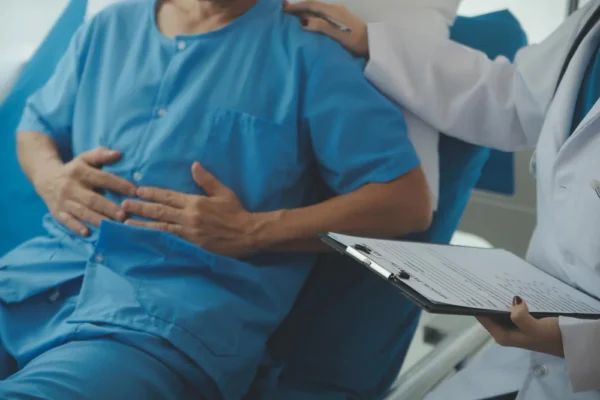
Who should consider this
Adults 45 and older due for screening, and anyone with bleeding, bowel changes or a positive stool test.
Learn more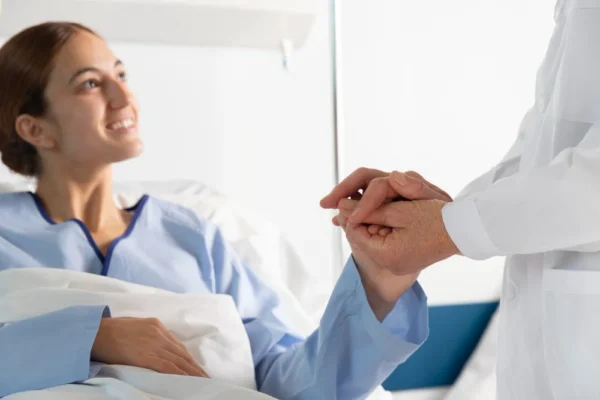
What to expect
A bowel prep at home the day before, a sedated exam of about 20 to 45 minutes, and first findings before you leave.
Learn more
Recovery and results
Most people feel back to normal the next day, with biopsy results in one to two weeks.
Learn more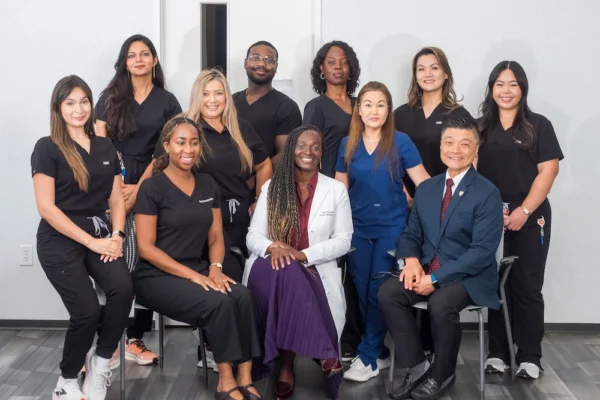
Why our team
Experienced gastroenterologists who perform every colonoscopy themselves, in the same building as our clinic.
Learn moreWhat Our Patients Say
-
Dr. Asamoah is a wonderful doctor with an excellent bedside manner who cares about what you're going through and leaves no stone unturned I highly recommend.
-
From the moment of entering the Surgical Center, I felt like I was an individual and my needs were of concern. The actual procedure experience was great. Dr. Asamoah has a way of making you feel at ease. She's gathered a staff of people who do the same thing. Highly recommend.
-
I was very impressed with both doctors' expression of authentic interest in and concern with my health concerns. A rare experience.
-
Highly recommend. The office staff and Dr. Asamoah were helpful, friendly and very accommodating! We left feeling like we have answers and are hopeful.
-
First time visit. Impressed by the clean and nice environment. Friendly staff. Doctor takes her time to hear you and answer any questions you have. Great experience.
-
Wow!!! Absolutely amazed by the facility and doctor! Dr. Vivian Asamoah is extremely educational, professional, and so sweet! I went in feeling extremely anxious because of my health issues, and she put me at ease by explaining every detail! Xiomara, her MA, was so helpful and thorough. Honestly, she is by far one of the best doctors I've seen. God bless this office and everyone in it! I most definitely recommend her!
-
I went in to check on issues I was having with my colon. I was in a panic and was not feeling my best. Dr. Asamoah was kind and very understanding, with great patient-relationship skills. She is genuine and truly professional. Her staff is great and wonderful. I will recommend my family and friends.
-
Had a great experience. The doctors are very understanding and comforting. They listen to all of your needs. Loved their music. Very relaxing.
Individual results vary.
Ready to schedule your colonoscopy?
Schedule a consultation with our team. We are here to help you find lasting relief.
Expert GI. Whole-person care. All under one roof.Common questions about Colonoscopy
Adults at average risk should start colon cancer screening at age 45. You may need to start earlier if a close family member had colon cancer or advanced polyps, or if you have inflammatory bowel disease.
If your colonoscopy is normal and you are at average risk, the next one is usually in 10 years. If polyps are found, or you have a higher risk, you may need one sooner. Your doctor will tell you when your next exam is due.
Most people feel no pain because they receive sedation and sleep through the exam. Afterward, some people feel bloated or gassy for a few hours.
The exam itself usually takes about 20 to 45 minutes, sometimes longer if polyps are removed. Plan to spend about two to three hours at the surgery center, including check-in and recovery.
You eat a low-fiber diet the day before, then switch to clear liquids, as your instructions describe. You take a prescribed bowel prep, usually split between the evening before and the morning of the exam. It causes frequent, watery bowel movements, so plan to stay near a bathroom.
No. Because of the sedation, you need an adult to drive you home, and you should not drive for the rest of the day. You cannot take a taxi or rideshare alone.
Most polyps are removed during the colonoscopy and sent to a lab. Most are not cancer, but some types could become cancer over time. The results decide when you need your next colonoscopy.
Yes. An all-female procedure team is available on request. Just let our team know when you schedule your procedure.
Yes. We perform procedures on Saturdays from 7:00 AM to 2:00 PM, by appointment only, at Zazen Surgery Center in the same building as our clinic. Our team will help you find a time when you schedule.
Most insurance plans cover screening colonoscopy for adults 45 and older with no out-of-pocket cost. This usually includes removing polyps during the screening, and a colonoscopy to follow up a positive stool test. Medicare patients may owe a small coinsurance if a polyp is removed. Costs can be different if the colonoscopy is done because of symptoms or for surveillance. Check with your insurance plan, and our team can help you understand your coverage.
Houston Gastro Institute provides screening and diagnostic colonoscopy for patients in Katy, TX. Procedures are performed by our gastroenterologists at Zazen Surgery Center, in the same building as our clinic on Kingsland Boulevard. Patients come to us from across west Houston, including Cinco Ranch, Fulshear, Richmond, Brookshire, Sugar Land and Cypress.