
Liver Disease Treatment in Katy, TX
From high liver enzymes on a routine blood test to fatty liver, hepatitis and cirrhosis, we find the cause and protect your liver.
Understanding Liver Disease
The liver filters your blood, helps digest fat, stores energy and makes proteins your body needs. It can keep working even when it is damaged, so most liver disease causes no symptoms until it is advanced. That is why liver problems are often first found by chance, on a routine blood test or scan.
What do high liver enzymes mean?
Liver enzymes such as ALT and AST are released when liver cells are irritated or damaged. Slightly high levels are common. Frequent causes include fatty liver, alcohol and medicines. But they can also be the first sign of a condition that needs treatment, so high liver enzymes that stay high on repeat testing should always be checked. Very high levels, or high levels with symptoms such as yellow skin, need to be checked right away.
Common causes of liver disease
- Fatty liver disease (MASLD), now the most common liver disease in the United States, affecting about 1 in 3 adults. It was previously called NAFLD. It is closely linked to excess weight, especially around the waist, type 2 diabetes, high blood pressure and high cholesterol. In some people, the fat causes inflammation (MASH), which can lead to scarring.
- Alcohol, which can cause fatty liver, alcohol-related hepatitis and cirrhosis. Many people have both fatty liver and alcohol-related liver damage.
- Medicines and supplements, including high doses of acetaminophen (Tylenol), some antibiotics and seizure medicines, and some herbal and bodybuilding supplements
- Viral hepatitis, mainly hepatitis B and hepatitis C, which can damage the liver silently for years
- Autoimmune and inherited conditions, such as autoimmune hepatitis, primary biliary cholangitis (PBC), primary sclerosing cholangitis (PSC), hemochromatosis (iron overload) and Wilson disease
- Celiac disease, which can raise liver enzymes even without digestive symptoms
Cirrhosis and liver cancer
Over years, ongoing liver damage can lead to scarring (fibrosis) and then cirrhosis, where the liver is heavily scarred. Cirrhosis raises the risk of liver cancer and liver failure. The good news is that early scarring can often improve when the cause is treated, which is why finding liver disease early matters.
Symptoms of liver disease
Most people have no symptoms in the early stages. When symptoms appear, they can include:
- Fatigue
- Discomfort in the upper right belly
- Yellowing of the skin or eyes (jaundice)
- Dark urine or pale stools
- Itching
- Swelling of the belly or legs
- Easy bruising or bleeding
- Confusion or sleepiness in advanced disease
When to see a gastroenterologist
See a specialist if your liver enzymes are high on more than one blood test, if a scan shows fatty liver, if you test positive for hepatitis B or C, or if you have diabetes or obesity and want to check your liver health.
Go to the emergency room or call 911 for vomiting blood or material that looks like coffee grounds, black or bloody stools, new confusion or extreme sleepiness, sudden yellowing of the skin or eyes with feeling very unwell, or a rapidly swelling, painful belly with fever. If you may have taken too much acetaminophen (Tylenol), get care right away even if you feel fine, or call Poison Control at 1-800-222-1222.
Our approach to Liver Disease
Our gastroenterologists look for the cause of liver injury, measure how much scarring is present, and build a plan to protect your liver over the long term.
Finding the cause and checking for scarring
- Blood tests, including liver enzymes and liver function, hepatitis B and C, iron levels, autoimmune markers and celiac disease
- A fibrosis score, such as FIB-4, calculated from routine blood tests to estimate the risk of scarring
- Liver ultrasound to look for fat, changes in the liver’s shape, and other problems
- Liver elastography, such as FibroScan, a quick, painless scan that measures liver stiffness and fat without a needle
- A liver biopsy, only when other tests do not give a clear answer
Treating fatty liver disease
- Weight loss through diet and activity. Losing 5% of your body weight can reduce liver fat, losing 7% or more can reduce inflammation, and losing 10% or more can improve scarring. Our registered dietitians build a realistic eating plan with you, often based on a Mediterranean-style diet.
- Treating related conditions, such as diabetes, high blood pressure and high cholesterol, which also lowers your risk of heart disease, the most common cause of death in people with fatty liver.
- Cutting back on alcohol, and stopping completely if you have any liver scarring.
- Medicines for MASH with scarring. Resmetirom (Rezdiffra), a daily pill, and semaglutide (Wegovy), a weekly shot, are FDA-approved, along with diet and exercise, for adults with MASH and moderate to advanced scarring who do not have cirrhosis. We discuss whether one is right for you.
Treating other liver conditions
- Hepatitis C can be cured in more than 95% of people with 8 to 12 weeks of pills.
- Hepatitis B can be controlled with antiviral medicine when treatment is needed, along with regular monitoring. Some people with hepatitis B need liver cancer screening even without cirrhosis.
- Autoimmune and inherited conditions are treated with medicines that calm the immune system, remove excess iron or copper, or improve bile flow.
- Medicine- or supplement-related injury often improves once the cause is stopped, under your doctor’s guidance.
Care for cirrhosis
If you have cirrhosis, we monitor you closely, including a liver ultrasound, usually with an AFP blood test, every 6 months to screen for liver cancer and an upper endoscopy when needed to check for enlarged veins (varices) that can bleed. We also make sure you are vaccinated against hepatitis A and B, and we refer you to a liver transplant center when that is the right next step.
If you have cirrhosis, avoid pain medicines such as ibuprofen (Advil, Motrin) and naproxen (Aleve). Acetaminophen (Tylenol) at lower doses is usually the safer choice. Ask us how much is safe for you.
Most of the liver disease we see is found by chance, on a routine blood test. That is good news, because the earlier we find it, the more we can do to protect the liver.

Dr. Vivian Asamoah, MD
Board-Certified Gastroenterologist, Integrative Medicine
Key Facts
What you need to know
Everything you need to know before your appointment.
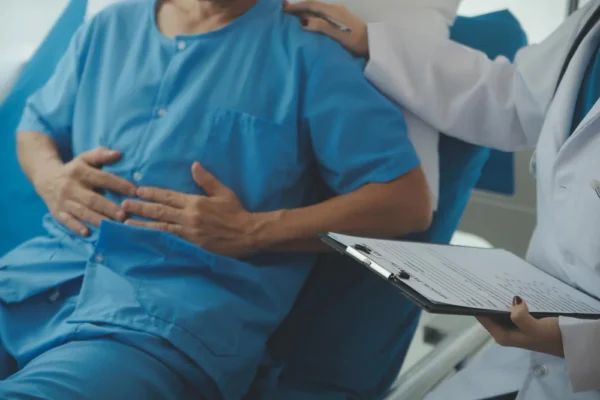
Who should consider this
Anyone with high liver enzymes, a scan showing fatty liver, hepatitis B or C, or cirrhosis.
Learn more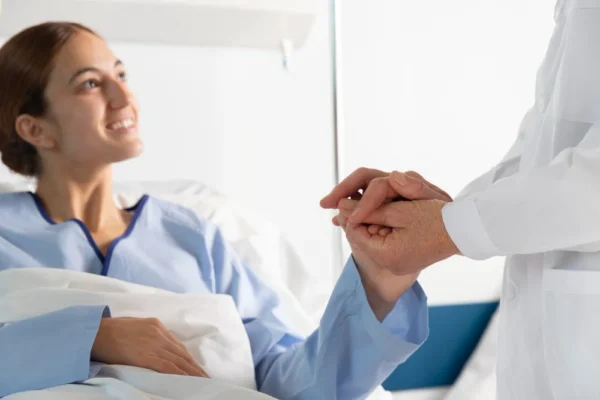
What to expect
A detailed first visit, blood tests and imaging to find the cause and check for scarring.
Learn more
Recovery and results
Fatty liver can improve within months, and early scarring can often get better.
Learn more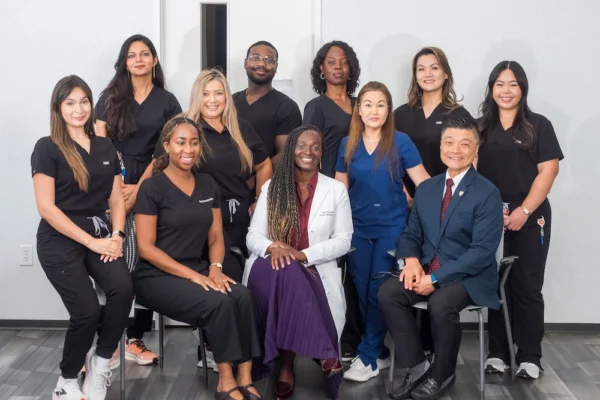
Why our team
Gastroenterologists with hepatology training, working with registered dietitians on fatty liver care.
Learn moreWhat Our Patients Say
-
Dr. Asamoah is a wonderful doctor with an excellent bedside manner who cares about what you're going through and leaves no stone unturned I highly recommend.
-
From the moment of entering the Surgical Center, I felt like I was an individual and my needs were of concern. The actual procedure experience was great. Dr. Asamoah has a way of making you feel at ease. She's gathered a staff of people who do the same thing. Highly recommend.
-
I was very impressed with both doctors' expression of authentic interest in and concern with my health concerns. A rare experience.
-
Highly recommend. The office staff and Dr. Asamoah were helpful, friendly and very accommodating! We left feeling like we have answers and are hopeful.
-
First time visit. Impressed by the clean and nice environment. Friendly staff. Doctor takes her time to hear you and answer any questions you have. Great experience.
-
Wow!!! Absolutely amazed by the facility and doctor! Dr. Vivian Asamoah is extremely educational, professional, and so sweet! I went in feeling extremely anxious because of my health issues, and she put me at ease by explaining every detail! Xiomara, her MA, was so helpful and thorough. Honestly, she is by far one of the best doctors I've seen. God bless this office and everyone in it! I most definitely recommend her!
-
I went in to check on issues I was having with my colon. I was in a panic and was not feeling my best. Dr. Asamoah was kind and very understanding, with great patient-relationship skills. She is genuine and truly professional. Her staff is great and wonderful. I will recommend my family and friends.
-
Had a great experience. The doctors are very understanding and comforting. They listen to all of your needs. Loved their music. Very relaxing.
Individual results vary.
Ready to talk with a specialist about your liver health?
Schedule a consultation with our team. We are here to help you find lasting relief.
Expert GI. Whole-person care. All under one roof.Common questions about Liver Disease
High liver enzymes mean liver cells are irritated or damaged. Common causes include fatty liver, alcohol and certain medicines, but they can also point to hepatitis or other liver conditions. Liver enzymes that stay high on repeat testing should be checked by a doctor.
MASLD, previously called NAFLD, is a buildup of fat in the liver linked to excess weight, type 2 diabetes, high blood pressure or high cholesterol. It affects about 1 in 3 adults in the US. In some people it causes inflammation and scarring.
Often, yes, especially when it is found early. Losing 5% of your body weight can reduce liver fat, losing 7% or more can reduce inflammation, and losing 10% or more can improve scarring. Treating diabetes and cholesterol and limiting alcohol also help.
Yes, for some people. Resmetirom and semaglutide are FDA-approved, along with diet and exercise, for adults with MASH and moderate to advanced scarring who do not have cirrhosis. Lifestyle changes remain the foundation of treatment for everyone.
Most people have no symptoms early on. Liver disease is usually found on blood tests or scans. When symptoms appear, they can include fatigue, discomfort in the upper right belly, yellowing of the skin or eyes, dark urine, itching or swelling.
Scarring is usually measured without a needle, using a score from routine blood tests and a quick scan called elastography, such as FibroScan. A liver biopsy is only needed when these tests do not give a clear answer.
Yes. Modern hepatitis C treatment cures more than 95% of people with 8 to 12 weeks of pills, with few side effects. All adults should be tested for hepatitis C and hepatitis B at least once, and more often if they have ongoing risk.
Yes. Taking too much acetaminophen (Tylenol) is a leading cause of serious liver injury. Some antibiotics, seizure medicines and herbal or bodybuilding supplements can also harm the liver. Tell your doctor about everything you take, and do not stop a prescribed medicine on your own.
No amount of alcohol has been proven safe for the liver. If you have fatty liver, drinking less is better and stopping is best. If you have liver scarring, cirrhosis, hepatitis or alcohol-related liver disease, you should not drink at all. Your gastroenterologist can give you advice based on your test results.
Yes. Gastroenterologists diagnose and treat liver disease, including fatty liver, hepatitis, autoimmune liver disease and cirrhosis. Hepatologists are gastroenterologists with extra training in liver disease.
Houston Gastro Institute diagnoses and treats liver disease, including fatty liver disease and hepatitis, at our clinic on Kingsland Boulevard in Katy, TX. Patients come to us from across west Houston, including Cinco Ranch, Fulshear, Richmond, Brookshire, Sugar Land and Cypress. Upper endoscopies are performed at Zazen Surgery Center in the same building.