
Upper Endoscopy (EGD) in Katy, TX
A short, sedated exam of the esophagus, stomach and small intestine, performed by our own gastroenterologists in the same building as our clinic.
Understanding Upper Endoscopy (EGD)
An upper endoscopy, also called an EGD (esophagogastroduodenoscopy), is an exam of the upper digestive tract: the esophagus, the stomach and the first part of the small intestine (the duodenum). While you are sedated, your gastroenterologist passes a thin, flexible tube with a camera through your mouth to look at the lining in detail.
During the same exam, the doctor can take small tissue samples (biopsies), stop bleeding, stretch a narrowed esophagus, and remove polyps or objects that are stuck. It is one of the most useful tests for finding the cause of upper digestive symptoms.
Why you might need an upper endoscopy
- Heartburn and reflux that does not respond to medicine, or long-standing GERD with other risk factors, to check for damage and Barrett’s esophagus
- Trouble swallowing, or food that feels stuck
- Upper belly pain or indigestion, especially in people aged 60 or older, or with warning signs such as weight loss or vomiting
- Nausea or vomiting that keeps returning
- Bleeding, such as vomiting blood or black, tarry stools, or iron-deficiency anemia
- Weight loss you cannot explain
- Biopsies to confirm celiac disease or eosinophilic esophagitis, and to check for H. pylori when an endoscopy is done for other reasons
- Monitoring of Barrett’s esophagus, stomach ulcers, or enlarged veins (varices) in people with liver disease
What an upper endoscopy can find
- Inflammation of the esophagus (esophagitis) and Barrett’s esophagus
- Stomach and duodenal ulcers, and gastritis
- Narrowing of the esophagus (strictures) and hiatal hernias
- Damage to the small intestine from celiac disease
- Sources of bleeding
- Polyps and, rarely, cancer
Our approach to Upper Endoscopy (EGD)
Our gastroenterologists perform every upper endoscopy themselves at Zazen Surgery Center, in the same building as our clinic. Most patients have a clinic visit first, so the exam is planned around your symptoms and the questions it needs to answer.
Before your upper endoscopy
- An empty stomach. You will need to stop eating for several hours before your procedure, usually from midnight or about 8 hours before, and stop clear liquids about 2 hours before. Your instructions will give exact times. An empty stomach lets the doctor see clearly and keeps you safe during sedation.
- Medicines. Tell us if you take blood thinners, diabetes medicines or weight-loss injections such as semaglutide or tirzepatide. We will tell you whether to pause or adjust any of them, and for how long. Do not stop a blood thinner without talking to us and your prescribing doctor.
- A driver. Because you will be sedated, you need an adult to drive you home. You cannot drive or take a rideshare alone.
During the procedure
You receive sedation through an IV, so most people sleep through the exam and remember little or nothing. A small mouth guard protects your teeth. The scope goes into the esophagus, not the windpipe, so you keep breathing on your own. Your breathing, heart rate and oxygen levels are watched throughout. The doctor examines the esophagus, stomach and duodenum, and takes biopsies or treats any problems found. You will not feel biopsies being taken.
After the procedure
You rest in recovery until the sedation wears off. A mild sore throat or bloating for a few hours is common. Your doctor reviews the first findings with you before you leave, and biopsy results usually follow within one to two weeks.
Most people can eat later the same day, starting with something light, unless your doctor tells you otherwise. Do not drive, work, drink alcohol or make important decisions for the rest of the day.
If your doctor also needs to measure acid reflux, pH monitoring can be arranged by referral.
Is upper endoscopy safe?
Upper endoscopy is very safe. Serious problems are rare. They include bleeding, a tear in the esophagus or stomach (perforation), which is more likely when a narrowed esophagus is stretched, and reactions to sedation. Call us right away or go to the emergency room if you have severe chest, throat or belly pain, trouble swallowing or breathing, fever, vomiting blood, or black stools after your procedure.
An upper endoscopy often gives us the answer in one short visit. Patients are usually surprised how quick it is, and most remember little or nothing of it.

Dr. Vivian Asamoah, MD
Board-Certified Gastroenterologist, Integrative Medicine
Key Facts
What you need to know
Everything you need to know before your appointment.
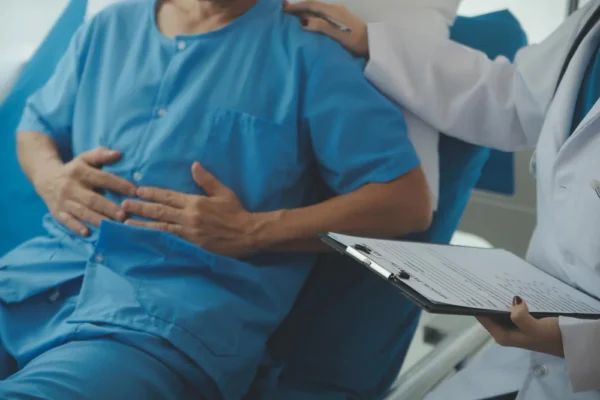
Who should consider this
People with reflux, swallowing problems, upper belly pain, bleeding or anemia that needs a closer look.
Learn more
What to expect
Nothing to eat for several hours beforehand, a sedated exam of about 10 to 20 minutes, and first findings before you leave.
Learn more
Recovery and results
Most people feel back to normal the next day, with biopsy results in one to two weeks.
Learn more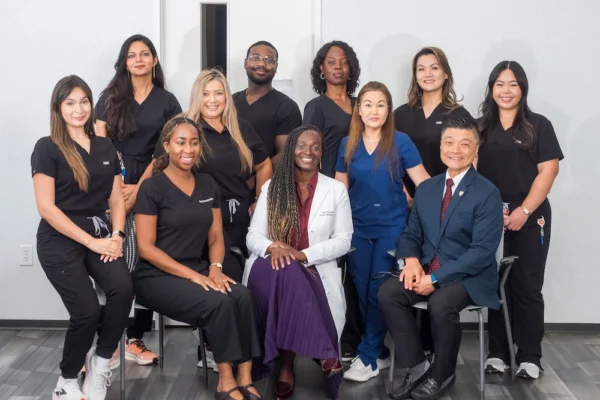
Why our team
Experienced gastroenterologists who perform every upper endoscopy themselves, in the same building as our clinic.
Learn moreWhat Our Patients Say
-
Dr. Asamoah is a wonderful doctor with an excellent bedside manner who cares about what you're going through and leaves no stone unturned I highly recommend.
-
From the moment of entering the Surgical Center, I felt like I was an individual and my needs were of concern. The actual procedure experience was great. Dr. Asamoah has a way of making you feel at ease. She's gathered a staff of people who do the same thing. Highly recommend.
-
I was very impressed with both doctors' expression of authentic interest in and concern with my health concerns. A rare experience.
-
Highly recommend. The office staff and Dr. Asamoah were helpful, friendly and very accommodating! We left feeling like we have answers and are hopeful.
-
First time visit. Impressed by the clean and nice environment. Friendly staff. Doctor takes her time to hear you and answer any questions you have. Great experience.
-
Wow!!! Absolutely amazed by the facility and doctor! Dr. Vivian Asamoah is extremely educational, professional, and so sweet! I went in feeling extremely anxious because of my health issues, and she put me at ease by explaining every detail! Xiomara, her MA, was so helpful and thorough. Honestly, she is by far one of the best doctors I've seen. God bless this office and everyone in it! I most definitely recommend her!
-
I went in to check on issues I was having with my colon. I was in a panic and was not feeling my best. Dr. Asamoah was kind and very understanding, with great patient-relationship skills. She is genuine and truly professional. Her staff is great and wonderful. I will recommend my family and friends.
-
Had a great experience. The doctors are very understanding and comforting. They listen to all of your needs. Loved their music. Very relaxing.
Individual results vary.
Ready to schedule your upper endoscopy?
Schedule a consultation with our team. We are here to help you find lasting relief.
Expert GI. Whole-person care. All under one roof.Common questions about Upper Endoscopy (EGD)
An upper endoscopy, or EGD, is an exam of the esophagus, stomach and first part of the small intestine using a thin, flexible camera passed through the mouth. It is done under sedation and lets the doctor find and often treat the cause of upper digestive symptoms.
Common reasons include heartburn that does not respond to medicine, trouble swallowing, upper belly pain, nausea or vomiting, bleeding, anemia, and confirming celiac disease. It is also used to check for Barrett's esophagus, check that stomach ulcers have healed, or monitor varices.
Most people feel no pain because they are sedated and sleep through the exam. Afterward, a mild sore throat or bloating for a few hours is common.
The exam itself usually takes about 10 to 20 minutes. Plan to spend about two hours at the surgery center, including check-in and recovery.
You need an empty stomach, so you will stop eating several hours before the procedure and stop clear liquids about 2 hours before. Follow the exact times in your instructions. There is no bowel prep, and you will need an adult to drive you home.
Yes. The scope goes into the esophagus, not the windpipe, so it does not block your breathing. Because sedation can slow breathing, your breathing, heart rate and oxygen levels are monitored throughout the procedure.
Most people can eat later the same day, once the sedation has worn off and swallowing feels normal. Start with something light. Your doctor may give you different instructions if a narrowed area was stretched or bleeding was treated.
Upper endoscopy is very safe. Rare risks include bleeding, a small tear in the esophagus or stomach, and reactions to sedation. Your doctor will review these with you before the procedure.
An upper endoscopy examines the esophagus, stomach and first part of the small intestine through the mouth. A colonoscopy examines the colon and rectum. Some patients need both, and they can often be done on the same day.
Your doctor reviews the first findings with you before you leave. If biopsies were taken, the results usually follow within one to two weeks, and we explain what they mean for your treatment.
Houston Gastro Institute provides upper endoscopy (EGD) for patients in Katy, TX. Procedures are performed by our gastroenterologists at Zazen Surgery Center, in the same building as our clinic on Kingsland Boulevard. Patients come to us from across west Houston, including Cinco Ranch, Fulshear, Richmond, Brookshire, Sugar Land and Cypress.